Recognizing the people behind your organization's success deserves more than a name on a slide and a quick round of applause.
A well-planned corporate awards ceremony gives employees, leaders, and business partners an opportunity to celebrate accomplishments, recognize outstanding contributions, and reflect on what a team has achieved together.
Whether you're planning an annual employee awards dinner, a sales recognition event, a leadership celebration, or a company milestone ceremony, the experience should make recipients feel appreciated and give attendees a reason to feel proud of being part of your organization.
For businesses planning a corporate awards ceremony in Nashville, Tennessee, successful execution comes down to a combination of thoughtful event planning, the right venue, clear presentations, and an experience that puts recognition at the center.
This guide covers the key decisions to make when planning a corporate awards ceremony, from choosing a venue to coordinating the stage, sound, schedule, and guest experience.
Before selecting a venue or planning the program, determine what the event is intended to celebrate.
Corporate awards ceremonies can serve several purposes, and the format should reflect the people being recognized and the message your organization wants to communicate.
Employee recognition events celebrate the people who contribute to an organization's success.
Awards might recognize outstanding performance, customer service, innovation, teamwork, leadership, or years of service.
Think about how to make each award meaningful to the recipient. A short description of the person's contribution can help the audience understand why the recognition matters.
Whenever appropriate, involve managers or team leaders in collecting stories and examples that illustrate each recipient's impact.
Sales awards ceremonies often recognize performance, goal attainment, and contributions to business growth.
These events may include individual awards, team recognitions, milestone announcements, and presentations from company leadership.
Plan the program around a clear narrative that celebrates achievement without allowing presentations to become unnecessarily long.
If performance data will be displayed, verify all figures and names before the event.
An awards ceremony can reinforce the values your organization wants to encourage.
Recognition becomes more meaningful when the criteria are clear and connected to the behaviors, contributions, or accomplishments that matter to the business.
For example, an organization might recognize collaboration, mentorship, customer care, or creative problem-solving alongside traditional performance awards.
Use the event to communicate why those contributions matter and how they support the organization's broader goals.
Some awards ceremonies form part of a larger annual meeting, company anniversary, or end-of-year celebration.
In these cases, the ceremony can provide a natural focal point for reflecting on progress, recognizing contributors, and looking ahead to future goals.
Determine whether the event should feel formal, celebratory, relaxed, or a combination of these elements before making decisions about the venue and program.
The venue is one of the most important decisions you'll make because it affects the presentation, guest experience, and overall atmosphere.
When evaluating corporate event venues in Nashville, consider the specific requirements of an awards ceremony rather than relying on general event capacity alone.
Estimate the number of attendees, including recipients, employees, executives, guests, presenters, and event staff.
Then consider how the room will be arranged.
A seated dinner with a formal awards program requires a different layout from a theater-style ceremony followed by a reception.
Ask potential venues about:
A venue's maximum occupancy may not reflect the number of people it can comfortably accommodate once you add tables, staging, presentation equipment, and other event elements.
Request a floor plan that reflects your intended setup.
The stage is the focal point of an awards ceremony.
Recipients need a clear path to the stage, presenters need enough room to speak and hand out awards, and attendees should be able to see the action from their seats.
Consider how the stage will accommodate:
If multiple recipients will be called to the stage in quick succession, plan the movement carefully to avoid delays or confusion.
During your venue tour, ask how the stage can be configured and whether any equipment or technical support is included.
An awards ceremony should feel appropriate for the accomplishments being recognized.
Some organizations prefer a formal dinner and presentation, while others want a relaxed celebration with a more social atmosphere.
A venue with distinctive architecture, thoughtful lighting, and a well-designed stage can help establish the tone without requiring an elaborate decorative setup.
Think about how the space will look in photographs, how guests will experience the room upon arrival, and whether the venue complements your organization's culture.
If attendees are traveling from multiple offices or different parts of Middle Tennessee, choose a location that is practical for your audience.
Consider parking, driving routes, accessible entrances, restrooms, and any arrival instructions guests will need.
For companies looking beyond downtown Nashville, Madison, Tennessee, is one area to consider when researching venues in the greater Nashville region.
Confirm the specific accessibility arrangements and parking capacity with the venue before finalizing your plans.
Technical production can make an enormous difference in how professional an awards ceremony feels.
Even a beautifully designed venue can deliver a disappointing experience if recipients' names are difficult to hear, presentations are hard to see, or transitions between speakers are disorganized.
Clear sound is essential for awards presentations.
Attendees need to hear the presenter, understand the recipient's name, and follow the accompanying remarks.
Ask the venue about available microphones, sound equipment, speaker placement, and technical staffing.
If the event includes several presenters, determine whether handheld, lapel, or podium microphones are appropriate for the format.
Plan a sound check before guests arrive. Test every microphone, verify presentation audio, and ensure speakers can be heard throughout the room.
Lighting should help guests focus on the stage while allowing the room to retain the atmosphere you've planned.
Consider the lighting required for speeches, award handoffs, photographs, video presentations, and any transitions between program segments.
If you're using screens, test the visibility of the presentation from different seating positions.
Avoid relying on dramatic lighting without confirming that recipients, presenters, and photographers will have enough illumination to work comfortably.
Many corporate awards ceremonies use slides to display recipient names, award categories, photographs, or accomplishments.
Create a consistent presentation template and establish a process for collecting and verifying the information.
Before the event:
If you plan to play video or music, test the audio and timing with the venue's equipment.
A technical rehearsal can help identify issues before they affect the ceremony.
The program should give each recipient meaningful recognition while maintaining momentum throughout the event.
A clear run of show helps presenters, event staff, and technical teams understand what happens next.
Open the ceremony by explaining the purpose of the gathering and why the organization is taking time to recognize its people.
A leader's welcome can set the tone, but keep the introduction focused.
Help attendees understand how the awards will work, what the different categories recognize, and what they can expect during the program.
Each award should communicate why the recipient deserves recognition.
A brief explanation of the accomplishment, contribution, or behavior being celebrated can make the moment more meaningful than simply reading a name.
However, lengthy introductions for every award can make the ceremony feel repetitive.
Work with presenters to prepare remarks that are specific, genuine, and appropriately timed.
The order of presentations can influence the energy of the event.
Consider grouping related categories together and creating a logical progression through the program.
If the ceremony includes a keynote, executive remarks, or a meal, coordinate those elements so they complement the awards rather than interrupting the flow.
Share the sequence with presenters and technical staff in advance.
Recognition moments often involve recipients walking to the stage, accepting an award, and posing for photographs.
Build realistic time into the schedule for these transitions.
If dozens of awards will be presented, establish a consistent process for calling recipients, distributing awards, and capturing photographs.
A well-rehearsed process can save time without making the ceremony feel rushed.

An awards ceremony should make people feel that their contributions have been noticed and appreciated.
Thoughtful details can help make the experience personal without requiring an elaborate production.
Whenever possible, include a brief explanation of the recipient's contribution.
This might be a notable accomplishment, a customer success story, a team achievement, or an example of the organization's values in action.
Make sure the language is respectful, accurate, and appropriate for the audience.
Collect information well before the event so presenters aren't trying to write personalized remarks at the last minute.
Recipients should know when they are being called, where to go, and what happens after they reach the stage.
Consider using a stage manager or designated event coordinator to guide the process.
Prepare the awards in presentation order, confirm the pronunciation of recipients' names, and make sure presenters know how each award will be handed out.
If recipients will be photographed, designate a clear location and communicate the process beforehand.
Not every achievement belongs to one person.
Team awards can recognize collaboration, shared goals, and the work that happens behind the scenes.
If teams will be recognized, consider how they will be presented on stage and whether group photographs or brief team acknowledgments should be included.
Make the recognition consistent with the organization's goals and culture.
Depending on the event's purpose, employees may be invited to bring guests or family members.
If that's part of the plan, consider seating arrangements, invitations, dietary needs, and the tone of the ceremony.
A clear invitation should explain who is welcome and what attendees can expect.
Food and beverages can help transform an awards presentation into a complete event.
The right format depends on the schedule, budget, audience, and atmosphere you want to create.
Common formats include:
Consider how meal service will interact with the schedule.
If guests are expected to listen to important presentations, coordinate food service so that noise and movement do not interfere with the program.
Before selecting a menu, discuss the venue's catering policies, approved providers, beverage options, and service arrangements.
Confirm what is included in the rental fee and whether any food and beverage minimums, service fees, or vendor restrictions apply.
Collect dietary requirements in advance and communicate them to the appropriate provider.
For larger events, make sure the room layout allows guests and staff to move comfortably during service.
Some of the most meaningful conversations happen after the formal program ends.
A reception or celebration can give recipients and colleagues time to congratulate one another, take photographs, and enjoy the occasion.
If the event includes entertainment, coordinate the timing and volume so that it complements the gathering.
Think about the transition from the ceremony to the celebration and how guests will know what to do next.
The cost of an awards ceremony depends on guest count, venue rental, food and beverages, production, staffing, and the type of experience you want to create.
Prepare a budget that accounts for the full event rather than only the room rental.
Request an itemized quote from each venue and clarify which services are included.
For example, professional sound equipment may be available, but additional technicians or specialized production may incur separate charges.
Understanding the complete cost helps you prioritize the elements that will have the greatest impact on the recipient and guest experience.
A clear timeline helps your team coordinate recipients, presenters, vendors, and event logistics.
The following is a general framework for a moderately sized awards ceremony. Larger events may require additional preparation time.
Before signing a venue agreement, make sure the space can support your ceremony's layout, production requirements, and guest experience.
Ask the venue team:
The answers will help you determine whether a venue can support the ceremony without requiring unnecessary rentals or complicated logistics.
A corporate awards ceremony is an opportunity to celebrate the people who make your organization successful.
The right venue helps create an atmosphere where recipients feel recognized, attendees stay engaged, and the entire event reflects the importance of the occasion.
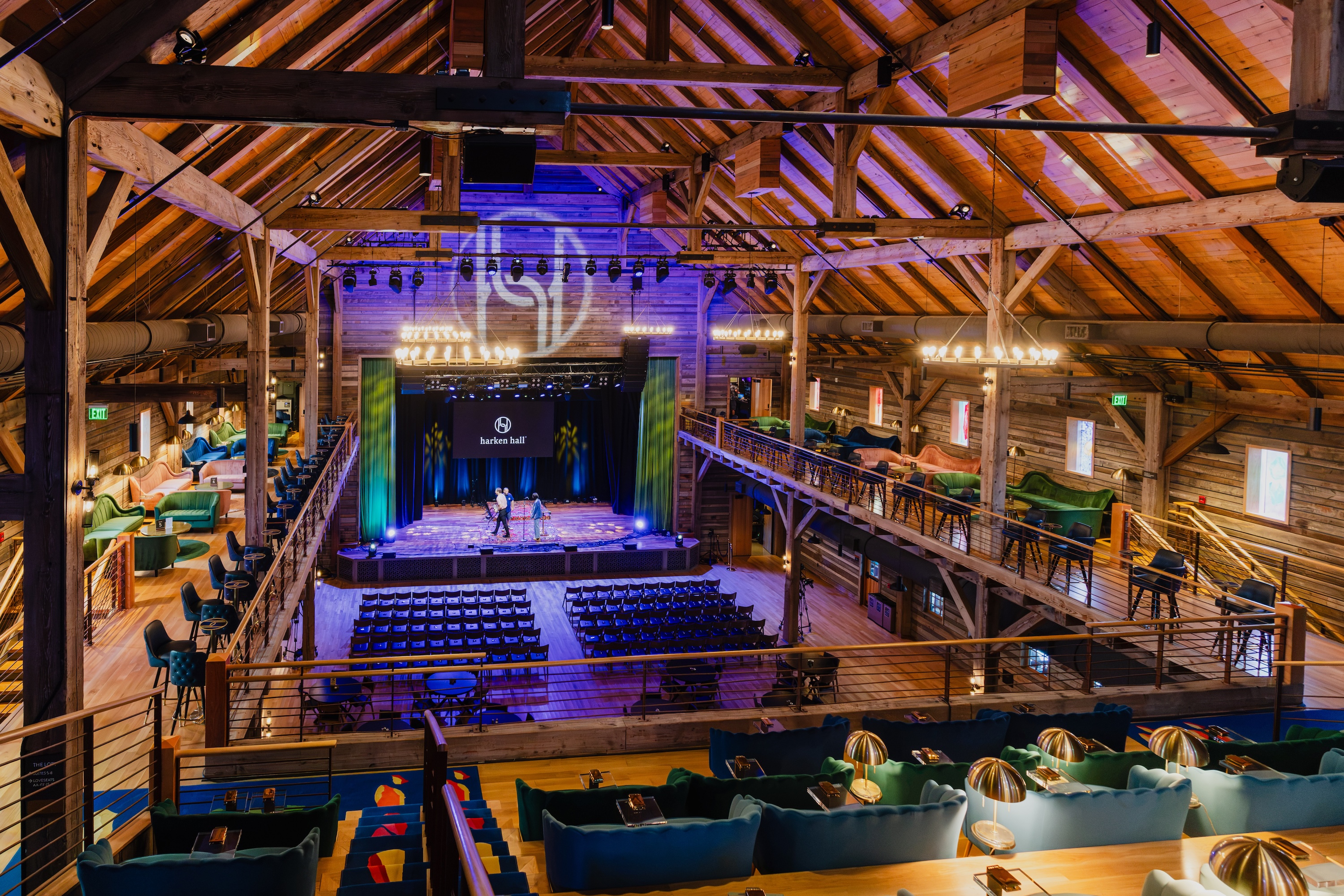
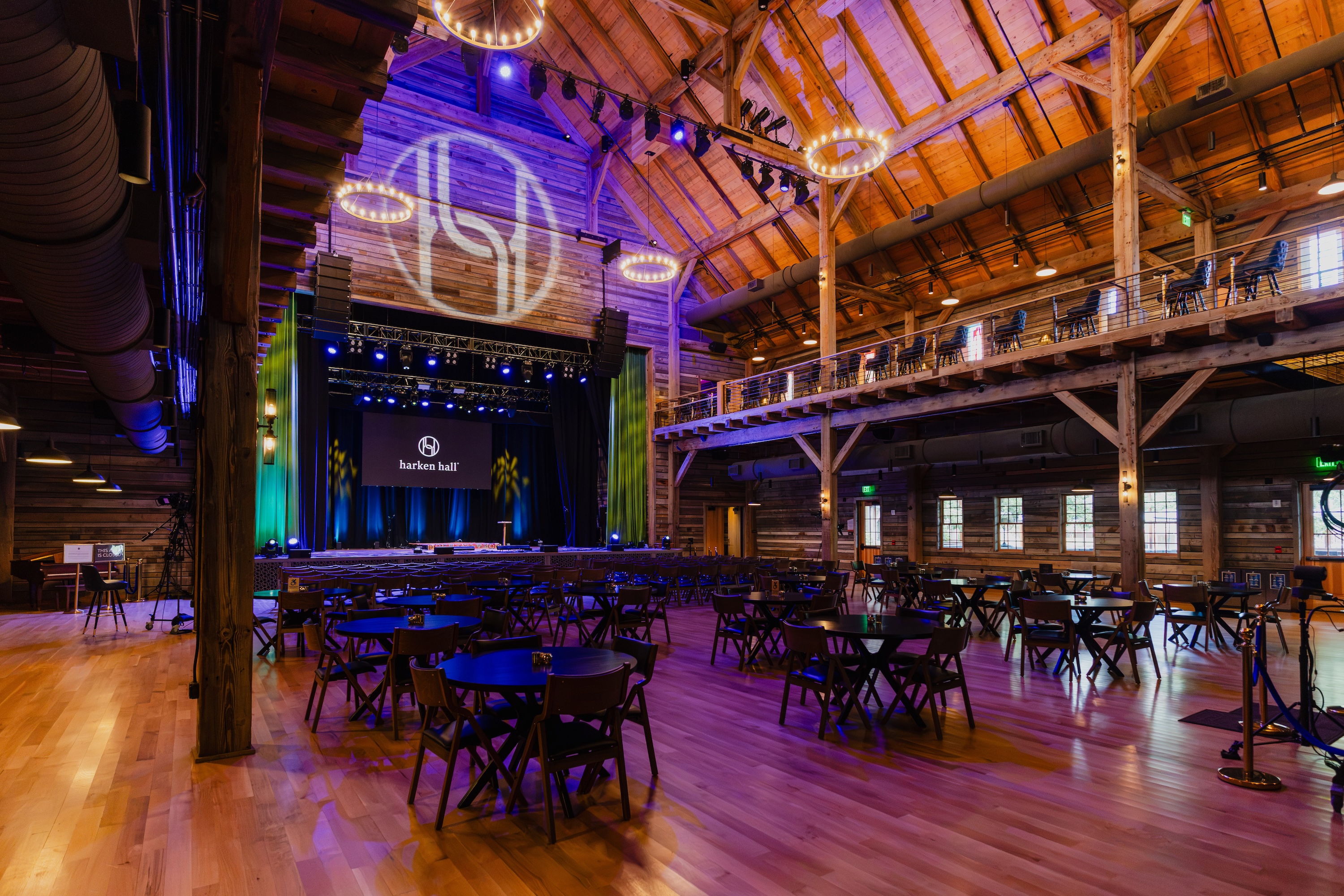
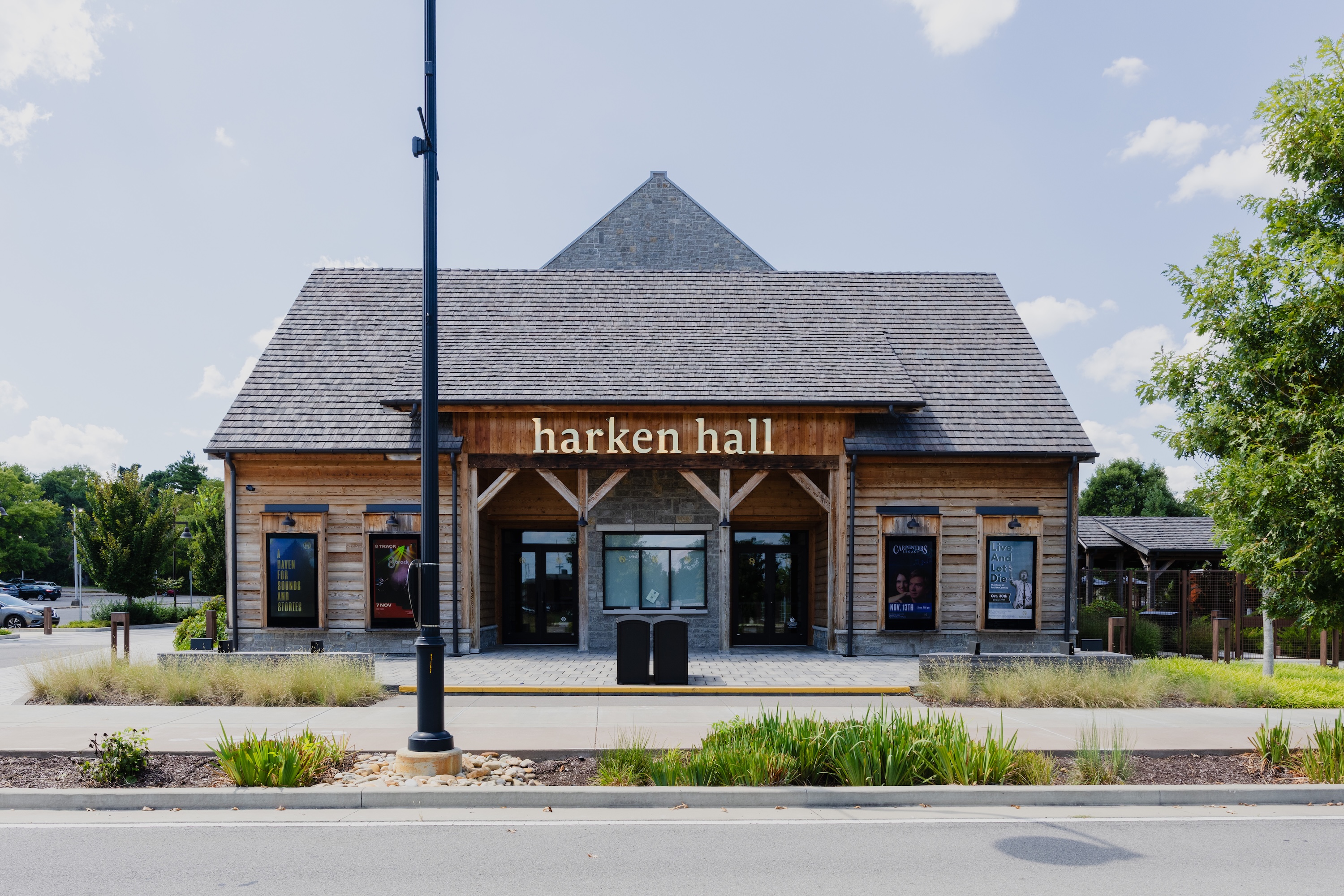
Located in Madison, Tennessee, near Nashville, Harken Hall is a multipurpose venue with a distinctive reclaimed timber interior, a professionally equipped Main Stage, and sound and lighting capabilities that may support corporate presentations and celebrations.
The venue's published information describes a 960-square-foot Main Stage, multiple event configurations, and professional audio-visual capabilities. The appropriate setup, available equipment, and event capacity will depend on your specific requirements and should be confirmed with the Harken Hall team.
Whether you're planning an employee recognition dinner, sales awards ceremony, leadership celebration, or company milestone event, start by discussing your guest count, stage requirements, preferred layout, and plans for catering and beverages.
Planning a corporate awards ceremony in Nashville?
Explore corporate events at Harken Hall and contact the team to discuss your event requirements, available dates, and venue options.
Start by defining the purpose of the event, establishing award categories, and setting a budget. Choose a venue that supports your audience and production needs, develop a clear run of show, coordinate presenters and recipients, and plan the technical details well in advance.
The ideal length depends on the number of awards, the number of attendees, and whether the ceremony includes dinner, speeches, or entertainment. Plan enough time to recognize each recipient meaningfully while keeping the program focused and allowing for photographs and transitions.
A suitable venue should offer an appropriate guest capacity, a presentation area or stage, clear sightlines, suitable sound capabilities, lighting, and a layout that supports the program. Catering, technical staffing, furniture, and other services should be confirmed before booking.
The best arrangement depends on the format. Theater-style seating works well for presentations, while banquet tables are often appropriate for ceremonies that include dinner. A venue may also accommodate a combination of seating and reception space, depending on capacity and layout.
Costs vary based on venue rental, guest count, catering, awards, production, staffing, photography, and other services. Obtain itemized quotes and establish a budget before committing to a venue or event format.
Use clear award criteria, personalize recognition with specific examples of each recipient's contributions, prepare presenters in advance, and allow time for recipients to be acknowledged. Recognizing teamwork and behind-the-scenes contributions can also make the ceremony more inclusive.
Businesses can explore corporate event venues across the greater Nashville area, including Madison, Tennessee. Compare stage capabilities, seating configurations, accessibility, catering arrangements, and total costs to find a venue that meets your needs.
Celebrate your team's achievements at Harken Hall.
Contact Harken Hall to explore corporate event options in Madison, Tennessee, near Nashville.